
International link building with native teams in every market
English outreach gets ignored across most of Europe, and a translated template gets spotted in one line. Below are the people who write our pitches, the markets where we are thin, and live placements in each language you can read for yourself.
Languages and markets we cover
Most agencies publish a language count. Nobody publishes what sits behind it. Here is ours, in three tiers.
We do not work in APAC. If you need Japanese, Korean or Chinese, say so on the call and we will point you at someone who does it properly.
What is international link building?
International link building is earning backlinks from sites in the language and country you are selling into, so the local version of your site ranks in that market's results. You will also see it sold as multilingual link building. One label emphasises the market and the other the language. Same job.
English links do very little for a German page. Search engines read the local link graph, which means who in that market's language links to you, and from what kind of site. A profile made entirely of English links reads as an outsider in a German result. It does not matter how strong it looks elsewhere.
The most common position we are brought in to fix is a strong global profile sitting next to an empty local one. It is rarely a strategy problem. Somebody ran the market from head office in English, the reply rates were poor, and the market never got a second attempt.
The People who actually send the emails.
Most "multilingual" outreach translates the article and leaves the pitch in English. Or runs the pitch through a tool and sends it anyway, which an editor spots in a line. The article is the artefact every agency shows you, because it photographs well and anyone with a translation budget can produce one. The email is what decides whether an editor opens the article at all. Two different jobs. Usually only one is staffed.

You cannot read what we publish in your name
This is the objection nobody on this search result addresses, and it is the one that stops most international campaigns getting signed off.
You are approving Turkish copy you cannot evaluate, about your own product, on a site you cannot assess. Reasonably, most marketing leads will not sign that off. So here is what ships with every draft, before anything goes live.
The draft, and an English back-translation
Every in-language article comes with a literal English rendering alongside it. You read what your brand is actually saying, in a language you can judge, before it publishes.
The publisher's own content rules
Attached, in English. If a site bans certain claims, requires disclosure, applies a house style you would object to, or reserves the right to edit, that surfaces at approval time.
A named reviewer in market
The desk lead for that language signs the draft and is named on your report. If something reads wrong to a colleague in Munich later, there is a person to ask.
Reports in English, always
Briefs, reports, rejection reasons and replacement logs are all in English regardless of the market. You should never need a translator to read your own campaign.
On a regulated account this doubles as brand safety. What gets published in German about a gambling or CBD brand is not a copy question.
Link building doesn't work the same way in every market
What earns a link in Munich gets ignored in São Paulo. These are the differences that decide whether a campaign lands.
Germany
Editorially strict and properly sourced. Publishers expect a considered pitch, rushed outreach fails outright, and the market rewards patience more than any other in Europe
France
Firmly French-language. English pitches get ignored regardless of quality, and a .fr domain still carries real weight in the local result.
Spain vs LATAM
Separate publishers, separate expectations. The wrong Spanish variant is obvious to an editor immediately, and it ends the conversation before it starts.
Italy
Introductions and continuity beat volume. A warm relationship with one editor outperforms fifty cold emails, and that relationship holds for years.
Nordics
Tight publisher pools with high English fluency. Local-language links still decide local rankings, and reputation travels fast in both directions.
Poland
A big and genuinely active blogosphere with strong local publishers, and pricing very different to Western Europe. Volume is achievable here.
Czechia
Google leads, but Seznam still holds meaningful share, so local signals matter more than agencies assume when they treat Czechia as a small Germany.
Brazil
Enormous, and entirely distinct from European Portuguese. A Lisbon-written pitch reads wrong in São Paulo, and the editor will say so.
Middle East
Right-to-left layouts, real dialect variation between Modern Standard Arabic and regional usage, and publishing cultures that work nothing like European ones.
How our international campaigns run?
Six stages, each run by the desk for that market. You approve the publisher list first. Nobody is contacted before you do.
Market & competitor audit
Who ranks in that country's result, which local links they hold, and how far behind them your local profile sits. You keep the audit either way.
Native prospecting
Local publishers, sourced by the desk that reads them. Nothing comes off a scraped list filtered by domain rating. That list is the one your competitors already bought.
Vetting, and the rejections
In-country readership verified, local link-farm patterns screened, outbound profiles checked. Sites fail for different reasons in different countries, and you get the whole list with each reason attached.
You approve the list
The vetted publishers come to you before anyone is pitched. Strike any you do not want. It is a veto, and not a formality.
Native outreach & content
Written and sent in-language, at the register that market expects. The draft and its English back-translation reach you before anything publishes.
Placement, verification & reporting
Live and indexed, mapped to whichever market URL serves that country. In-country readership travels with each placement alongside its local metrics, reported in English.
Which version of your site the link should hit?
Send a German link to your .com and most of its value never reaches the page that needed it.
ccTLD
Separate domain per country. Strongest local signal, and the one where sending links to the wrong domain wastes the most.
Subdirectory
One domain, one authority pool. Local links still need to hit the /de/ path, not the root, to help the pages that rank there.
Subdomain
Treated as a largely separate property. It needs its own local link profile built deliberately, which is the case most teams underestimate.
International link building pricing
A German placement and a Polish placement rarely cost the same. Here are the bands, and underneath them the reason, because the reason is the part worth reading.
Why the regions differ?
Publisher scarcity
German and Dutch publishers that accept commercial placement at all are far fewer than the size of those markets suggests. They know it, and they price to it.
Desk cost
A Nordic desk costs more per hour than a Polish one. That flows through.
Response rates
A market where four in ten editors reply needs far less prospecting per accepted placement than a market where one in ten does, and prospecting is most of the cost.
Lead time
Finnish and Hebrew placements take longer, because the pool is smaller. The same placement occupies more calendar.
Placement examples
Non-English placements, on live pages. Publisher names are withheld here because clients pay for them, but the full URL ships with every report and we will show real examples on a call.
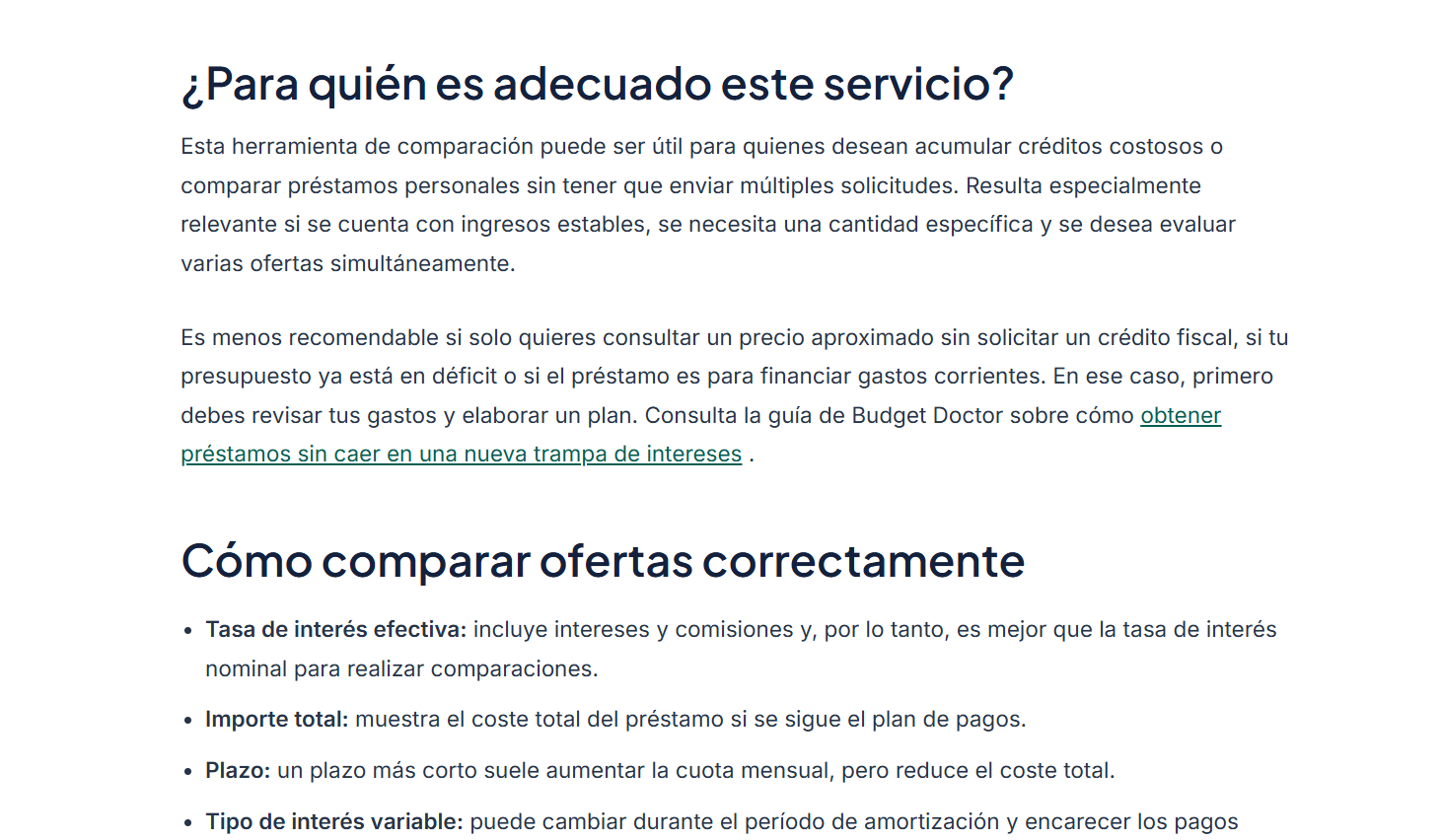

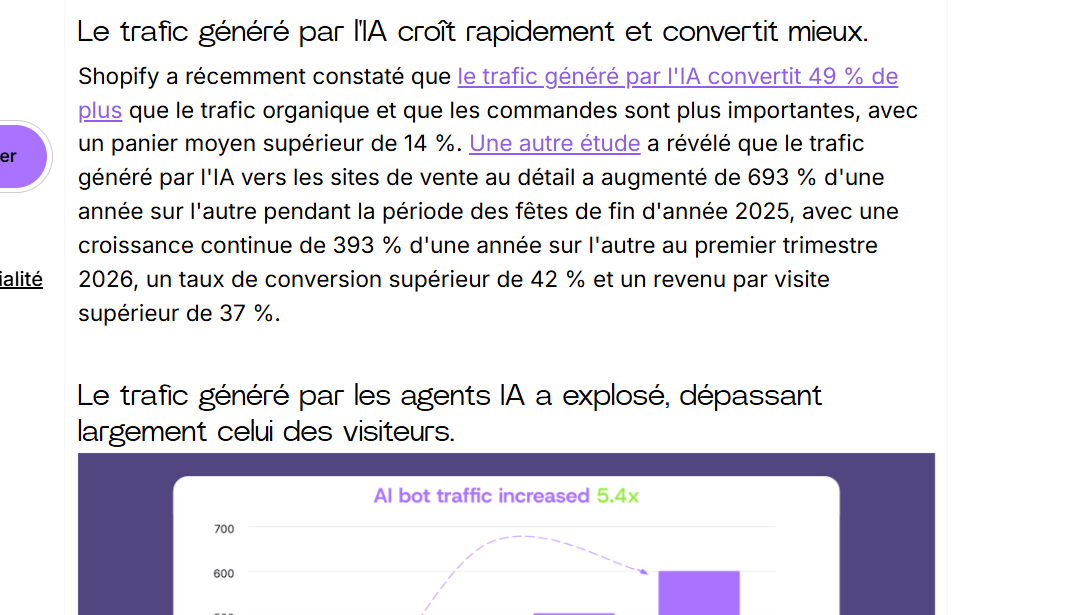
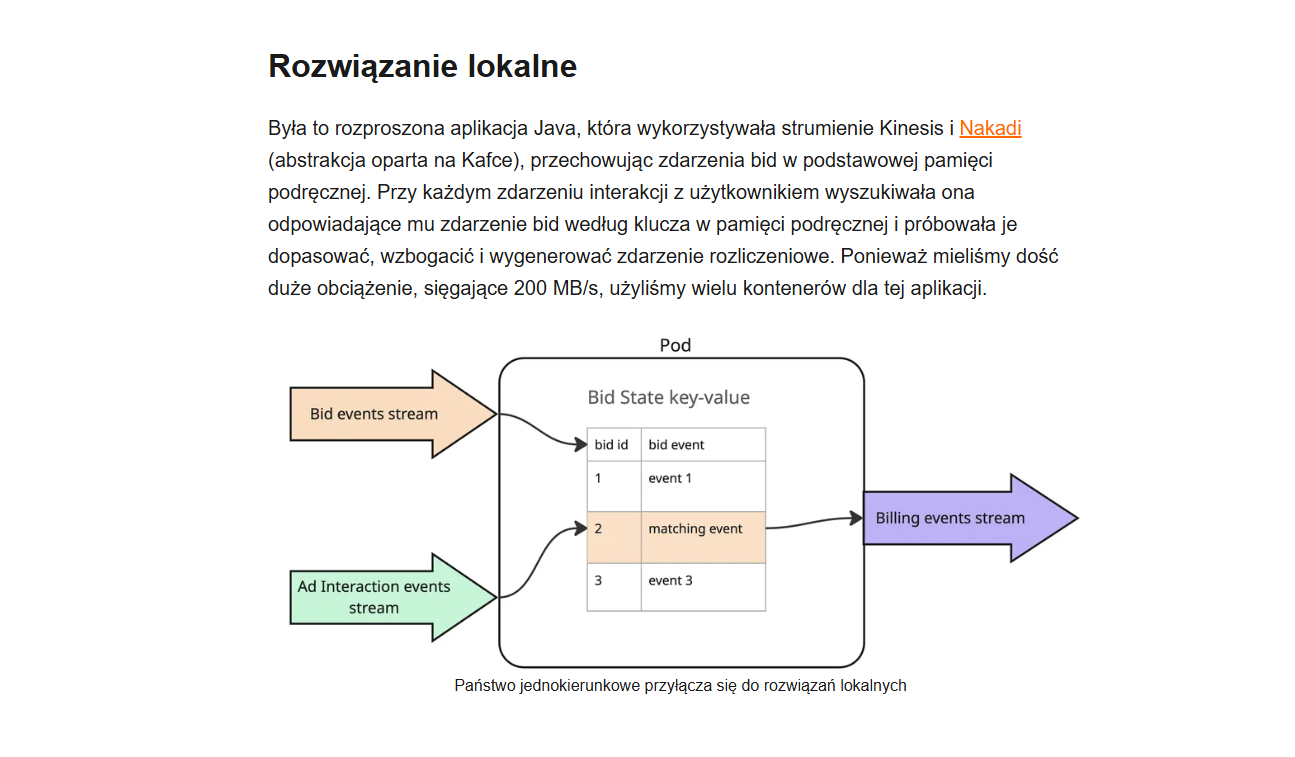
Readership figures are in-country, not global. A site with 400,000 worldwide visits and 900 in Poland is not a Polish placement.
What clients expanding abroad say
Teams who had already tried running a market from head office, in English.
"Our previous agency sent the same pitch to German editors that they sent to American ones. The reply rate difference here was not subtle."
"They caught that our content was written in European Portuguese before we did. That one correction changed the whole campaign."

"One partner across five markets instead of five agencies and five reporting formats. That alone justified the switch."

How a site fails in each market
A site can look strong globally and have almost no readers in the market that matters. Here is what we throw out in each country, and the reason.
A placement has to clear a stated in-country readership floor for its market, publish natively for that audience, carry a clean outbound profile against that country's own link-scheme patterns, and sit in the body of an article. Footers, sidebars, author bios and directory pages do not count.
Four times you should not hire us
You need one market, deeply
If Poland is your only market and you want ongoing local media relations, a Warsaw agency will have deeper relationships than a remote desk and we will not pretend otherwise. Multi-market is where we are worth the money.
You want the technical work
Hreflang, migrations, site localisation and per-market keyword research are not things we sell. We will advise on where links should point and hand the rest back with a recommendation.
Your budget spreads across five countries
Four placements each in five markets moves nothing anywhere. One market done properly beats five done thinly, and if the budget only supports one, we will tell you which one.
You need results this quarter
First placements go live in weeks three to four. A new market starts from a thinner local profile, so meaningful movement usually lands in months three to six.
Regulated verticals, in languages other than English
This is the narrow thing we are genuinely best at, and the reason a generalist international agency cannot quote against us.
Non-English publisher supply in iGaming, cannabis and crypto is a fraction of the English-language pool, and every country regulates it differently. Gambling advertising rules in Germany and Sweden. CBD in Poland. Crypto disclosure in Brazil. A publisher that runs a betting piece in the UK will decline the same piece in Dutch.
We have been placing links in restricted verticals since 2019, and the markets on this page are where that experience compounds. Across 26 agency slots in the two industry roundups covering this category, not one is positioned here. The generalists cannot vet these publishers. The localisation vendors do not do outreach at all.
Three ways to go multi-market
The three routes into a new market, on the criteria that actually differ. One partner across 18 markets, or five agencies and five invoices.
International link building questions, answered
What is international link building?
Earning backlinks from sites in the language and country you are targeting, so the local version of your site ranks in that market. The work differs from domestic link building mainly in who does the outreach and which publishers are worth approaching.
Is multilingual link building the same thing?
Broadly yes. One term emphasises the language, the other the market, and in practice they describe the same job.
Are your native speakers employed or freelance?
Both, and the page says which is which. Seven languages have employed desks with named leads. Several more run on native partners we have contracted for years. A handful are thin-supply markets we quote per campaign. Anyone claiming eighteen employed languages at our size is describing a headcount they do not have.
What language will my reports be in?
English, always. Briefs, reports, rejection reasons and replacement logs. You should never need a translator to read your own campaign.
How do I approve copy in a language I cannot read?
Every draft ships with a literal English back-translation and the publisher's own content rules in English. The desk lead for that language is named on your report and signs off in market.
Do English links help my German site rank?
Marginally at best. Local-language links from sites the German market actually reads are what move German rankings, and no volume of English links substitutes for them. A strong global profile beside a weak local one is the most common position we are brought in to fix.
Should links point to my ccTLD or my subfolder?
Whichever URL actually serves that market. We build to your ccTLD, subdirectory or subdomain as your architecture requires, and we flag hreflang conflicts during the audit.
Do you implement hreflang or handle site localisation?
No. We advise on which localised URL each link should point at and flag conflicts we find. Implementation, migrations, translation of your own site and keyword research sit outside what we sell, and we will recommend someone instead of taking the work.
How do you source publisher contacts, and is that GDPR-compliant?
Contacts come from published editorial details and from relationships the desks already hold. We do not scrape and we do not buy contact databases. Retention and opt-out are covered in our data policy, and your legal team is welcome to it before you sign.
Which entity do we contract with, and can you invoice in euros?
Digikalawn Infotech Private Limited, GST number 05AAICD4843M2ZC. We invoice in EUR, GBP and USD, and payment terms are 7 days. Our team is global, so you have cover across time zones rather than a single office window.
How does pricing differ by market?
Publisher scarcity, desk cost, reply rates and lead time all move it, so a German placement and a Polish one rarely cost the same. The regional bands and the reasoning are above.
How long until we see results in a new market?
First placements go live in weeks three to four. Ranking movement usually takes longer than in an established market, typically months three to six, because the site is starting from a much thinner local profile, and closing that gap is the whole campaign.
What happens when a link comes down?
We replace it free for twelve months, and the replacement log is in your report with what went and what replaced it.
Which markets do you not cover?
APAC. We do not work in Japanese, Korean or Chinese. We will refer you on instead of taking the work. Within the markets we do cover, Finnish, Czech, Hebrew and Arabic run on smaller publisher pools and longer lead times, and we will give you a realistic monthly ceiling before you commit.
Let's build your links where your buyers are
Tell us which countries you're expanding into and we'll show you what the local SERP actually requires — and what the gap costs to close.